
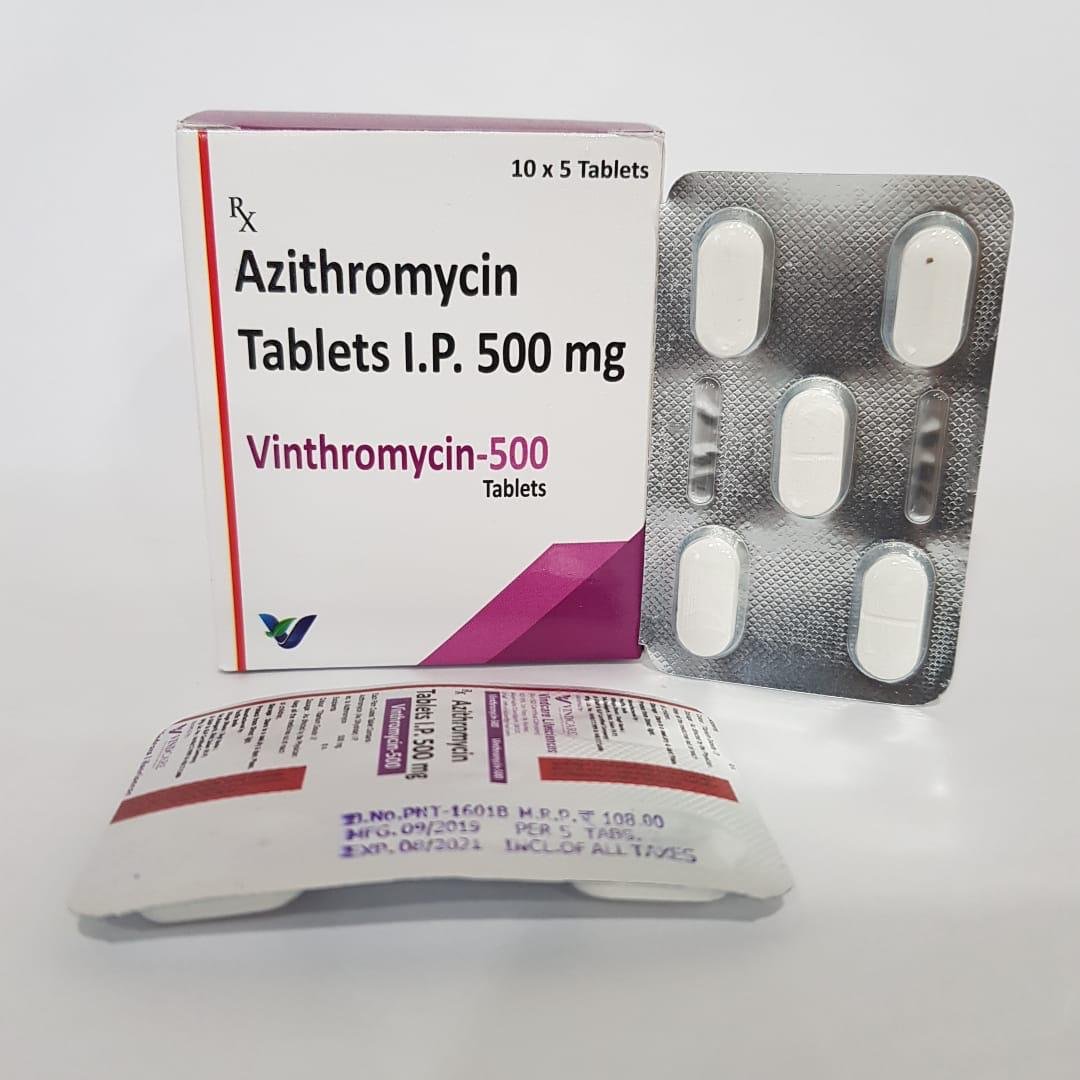
10 x Pharmaceutical Azithromycin 500mg x 5 Tablets
Original price was: $100.00.$89.99Current price is: $89.99.
Azithromycin 500mg x5
Description
Classification
10 x Pharmaceutical Azithromycin 500mg x 5 Tablets is an oral prescription antibiotic containing azithromycin, a macrolide antibacterial medicine. It works primarily by inhibiting bacterial protein synthesis and is used for selected infections caused by susceptible bacteria.
The 10 x designation indicates a bulk presentation containing 10 packs, while 500mg x 5 Tablets indicates that each pack contains five tablets, with each tablet containing 500mg of azithromycin. The complete bulk presentation therefore contains 50 tablets.
Azithromycin should only be used for an appropriate bacterial infection. It does not treat viral illnesses such as influenza or the common cold.
What is 10 x Pharmaceutical Azithromycin 500mg x 5 Tablets?
10 x Pharmaceutical Azithromycin 500mg x 5 Tablets is marketed as an oral azithromycin formulation for treating susceptible bacterial infections. Azithromycin belongs to the azalide subclass of macrolide antibiotics and has activity against various Gram-positive and Gram-negative bacteria, as well as certain atypical organisms.
Depending on the diagnosis and bacterial susceptibility, azithromycin may be prescribed for selected respiratory infections, certain sexually transmitted infections, skin infections, and other susceptible bacterial conditions.
The product is supplied as 10 packs of five 500mg tablets. The tablet strength does not automatically determine the appropriate treatment regimen for every infection.
Dosage
Azithromycin dosing depends on the infection being treated, its severity, patient age, weight, medical history, and other medicines being used.
Some adult infections are treated with a 500mg once-daily regimen, while other conditions use different schedules, including a single larger dose or a multi-day treatment course. The exact regimen should be determined by a healthcare professional.
Patients should follow the prescribed course and should not take additional tablets to compensate for perceived lack of improvement.
How Does 10 x Pharmaceutical Azithromycin 500mg x 5 Tablets Work?
Azithromycin inhibits bacterial protein synthesis by binding to the 50S subunit of bacterial ribosomes. This interferes with the movement of bacterial messenger RNA and prevents the production of proteins required for bacterial growth.
The resulting suppression of bacterial protein synthesis inhibits the growth and reproduction of susceptible organisms.
Azithromycin does not have useful activity against viruses, so it should not be used for viral respiratory illnesses.
Benefits
When appropriately prescribed for a susceptible bacterial infection, azithromycin can provide effective antibacterial treatment.
Potential therapeutic benefits include:
- Treating susceptible bacterial infections
- Providing oral macrolide therapy
- Treating selected respiratory infections
- Treating certain skin and soft-tissue infections
- Treating selected sexually transmitted infections
- Providing activity against certain atypical bacterial organisms
The appropriate antibiotic depends on the infection, suspected organism, resistance patterns, and individual patient factors.
When should you take 10 x Pharmaceutical Azithromycin 500mg x 5 Tablets?
Azithromycin should be taken according to the schedule prescribed by a healthcare professional. Depending on the indication, it may be taken once daily or according to another approved regimen.
Azithromycin tablets can generally be taken with or without food. Patients should follow the instructions provided with their specific prescription.
If a dose is missed, follow the prescriber’s or pharmacist’s instructions rather than automatically taking two doses together.
When Should You Not Take 10 x Pharmaceutical Azithromycin 500mg x 5 Tablets?
Azithromycin should not be used by individuals with a known serious hypersensitivity to azithromycin, erythromycin, or other macrolide or ketolide antibiotics.
Particular medical assessment is important for individuals with:
- History of QT prolongation
- Significant heart-rhythm disorders
- Low potassium or magnesium
- Liver disease
- Previous antibiotic-associated diarrhea
- History of severe macrolide reactions
- Current use of medicines that can prolong the QT interval
Patients with significant cardiovascular risk should discuss azithromycin treatment with their healthcare professional.
What is the Mechanism of 10 x Pharmaceutical Azithromycin 500mg x 5 Tablets?
Azithromycin binds to the 50S ribosomal subunit of susceptible bacteria and inhibits protein synthesis.
This interferes with bacterial growth and reproduction. Azithromycin also has a long tissue half-life, allowing certain infections to be treated with relatively short dosing regimens.
Its effectiveness depends on bacterial susceptibility, and inappropriate use can contribute to antimicrobial resistance.
Uses of 10 x Pharmaceutical Azithromycin 500mg x 5 Tablets
Azithromycin may be prescribed for various susceptible bacterial infections.
Potential medical uses include:
- Certain community-acquired respiratory infections
- Selected bacterial sinus and throat infections
- Certain skin and skin-structure infections
- Selected sexually transmitted infections
- Certain atypical bacterial infections
- Other susceptible infections where a macrolide is clinically appropriate
Azithromycin should not be used for viral infections or routine treatment of conditions where bacterial infection has not been established or reasonably suspected.
Warnings and Precautions for 10 x Pharmaceutical Azithromycin 500mg x 5 Tablets
Azithromycin carries important precautions involving cardiac rhythm, liver function, and allergic reactions.
Patients should:
- Discuss heart-rhythm history before treatment
- Review medicines that may prolong the QT interval
- Discuss liver disease with their healthcare professional
- Report severe or persistent diarrhea
- Report signs of allergic reactions
- Use antibiotics only for appropriate bacterial infections
Azithromycin can prolong the QT interval in susceptible individuals and may increase the risk of potentially serious cardiac arrhythmias.
Antibiotic-associated Clostridioides difficile diarrhea can occur during or after treatment and requires medical assessment when severe or persistent.
Side Effects of 10 x Pharmaceutical Azithromycin 500mg x 5 Tablets
Potential side effects include:
- Nausea
- Diarrhea
- Abdominal pain
- Vomiting
- Headache
- Dizziness
- Changes in taste
Less common but serious reactions can include:
- Severe allergic reactions
- Liver injury
- QT prolongation
- Serious cardiac arrhythmias
- Severe skin reactions
- C. difficile-associated diarrhea
Patients experiencing fainting, rapid or irregular heartbeat, severe allergic symptoms, yellowing of the skin, or severe persistent diarrhea should seek prompt medical attention.
Storage for 10 x Pharmaceutical Azithromycin 500mg x 5 Tablets
Store 10 x Pharmaceutical Azithromycin 500mg x 5 Tablets according to the manufacturer’s labeled storage instructions. Keep tablets in their original packaging and protect them from excessive heat, moisture, and direct sunlight.
Keep the medication securely away from children and individuals for whom it was not prescribed.
Do not use tablets that are damaged, discolored, or otherwise compromised.
Where to buy 10 x Pharmaceutical Azithromycin 500mg x 5 Tablets
To get 10 x Pharmaceutical Azithromycin 500mg x 5 Tablets online, go to USA Elite Steroid, today to get the best deal on this medicine .
Frequently Asked Questions
1. What is 10 x Pharmaceutical Azithromycin 500mg x 5 Tablets?
It is a bulk oral antibiotic presentation containing 10 packs of five azithromycin tablets, with each tablet containing 500mg.
2. What is azithromycin used for?
Azithromycin is used to treat selected bacterial infections, including certain respiratory, skin, and sexually transmitted infections caused by susceptible organisms.
3. Is azithromycin a penicillin?
No. Azithromycin is a macrolide antibiotic, not a penicillin or cephalosporin.
4. Can azithromycin treat a cold or flu?
No. Colds and influenza are viral illnesses, while azithromycin treats susceptible bacterial infections. Unnecessary antibiotic use can contribute to antimicrobial resistance.
5. Can azithromycin affect heart rhythm?
Yes. Azithromycin can prolong the QT interval in susceptible individuals and may increase the risk of serious arrhythmias. Patients with heart-rhythm disorders or relevant medication interactions should discuss these risks with a healthcare professional.
Related products
-
Sale!
10 x Pharmaqo Injectable Dianabol 50 mg x 10ml
Original price was: $600.00.$539.99Current price is: $539.99. Add to cart -
Sale!
10 x Pharmaqo DHB 100mg x 10ml
Original price was: $600.00.$539.99Current price is: $539.99. Add to cart -
Sale!
10 x Pharmaqo Injectable Anadrol 50mg x 10ml
Original price was: $600.00.$539.99Current price is: $539.99. Add to cart -
Sale!
10 x Pharmaqo Female Proviron 5mg x 100
Original price was: $400.00.$359.99Current price is: $359.99. Add to cart