

10 x Pharmaceutical Caber 1mg x 4 Tablets
Original price was: $80.00.$71.99Current price is: $71.99.
Description
Classification
10 x Pharmaceutical Caber 1mg x 4 Tablets is a cabergoline product, with cabergoline belonging to the dopamine agonist class of medicines. Cabergoline primarily acts on dopamine D2 receptors and is used medically to reduce elevated prolactin levels caused by certain conditions. In the United States, cabergoline tablets are FDA-approved for the treatment of hyperprolactinemic disorders, including conditions associated with pituitary prolactin secretion.
The 10 x designation indicates a bulk presentation containing 10 packs, while 1mg x 4 Tablets indicates that each pack contains four tablets, with each tablet containing 1mg of cabergoline. The complete package therefore contains 40 tablets.
What is 10 x Pharmaceutical Caber 1mg x 4 Tablets?
10 x Pharmaceutical Caber 1mg x 4 Tablets is marketed as an oral cabergoline preparation. Cabergoline is a long-acting dopamine receptor agonist that reduces prolactin secretion from the pituitary gland.
The product is supplied as 10 packs of four 1mg tablets, making it a bulk presentation of 40 tablets. The tablet strength should not be confused with an individual’s recommended dose.
FDA-approved cabergoline is prescribed for adults with hyperprolactinemic disorders, including elevated prolactin associated with pituitary adenomas. Appropriate treatment requires a medical diagnosis and clinical monitoring.
Dosage
Cabergoline dosing depends on the underlying condition, prolactin concentration, clinical response, and prescribing information. The 1mg tablet strength is not automatically an appropriate individual dose.
For hyperprolactinemia, FDA prescribing information generally recommends starting with a low dose and gradually adjusting treatment according to prolactin response and tolerability. Cabergoline is typically administered twice weekly for this indication, but the exact regimen should be established by a healthcare professional.
Patients should not change the dose or frequency without medical advice.
How Does 10 x Pharmaceutical Caber 1mg x 4 Tablets Work?
Cabergoline works primarily by stimulating dopamine D2 receptors in the pituitary gland. Dopamine naturally acts as an inhibitory regulator of prolactin secretion.
By activating these receptors, cabergoline decreases prolactin production and secretion. Lower prolactin levels can help restore normal reproductive and hormonal function in people with hyperprolactinemia.
Cabergoline has a relatively long duration of action, allowing it to be administered less frequently than some other prolactin-lowering medicines.
Benefits
When medically appropriate, cabergoline can provide clinically meaningful benefits for patients with elevated prolactin.
Potential therapeutic benefits include:
- Lowering elevated prolactin levels
- Treating hyperprolactinemic disorders
- Supporting restoration of reproductive hormone function
- Helping improve symptoms associated with excessive prolactin
- Reducing prolactin production from certain pituitary adenomas
Treatment benefits depend on the underlying cause of hyperprolactinemia and the patient’s response to therapy.
When should you take 10 x Pharmaceutical Caber 1mg x 4 Tablets?
Cabergoline should be taken according to the prescribing instructions provided by a qualified healthcare professional. For hyperprolactinemia, the FDA-approved labeling uses a twice-weekly administration schedule, with dose adjustments based on prolactin response.
Because cabergoline has a long duration of action, taking additional tablets to compensate for perceived lack of immediate effect can increase the risk of adverse reactions.
Patients should follow their prescribed schedule and discuss missed doses with their healthcare professional or pharmacist.
When Should You Not Take 10 x Pharmaceutical Caber 1mg x 4 Tablets?
Cabergoline should not be used by individuals with known hypersensitivity to cabergoline or ergot-derived medicines. It is also unsuitable for certain patients with a history of serious fibrotic disorders associated with ergot-derived dopamine agonists.
Medical evaluation is particularly important for people with:
- Uncontrolled high blood pressure
- Significant cardiovascular disease
- History of pulmonary or cardiac fibrotic disorders
- Severe liver impairment
- Certain psychiatric conditions
- History of significant valvular heart disease
Cabergoline should also be reviewed carefully during pregnancy and breastfeeding because the appropriate use depends on the underlying medical condition.
What is the Mechanism of 10 x Pharmaceutical Caber 1mg x 4 Tablets?
Cabergoline is a dopamine agonist with a strong affinity for D2 dopamine receptors. Activation of D2 receptors on pituitary lactotroph cells suppresses prolactin secretion.
Reducing prolactin can help normalize hormonal signaling and reproductive function when elevated prolactin is the underlying problem.
Cabergoline can also interact with other dopamine receptors and may influence blood pressure and neurological functions, which helps explain some of its potential adverse effects.
Uses of 10 x Pharmaceutical Caber 1mg x 4 Tablets
FDA-approved cabergoline tablets are primarily used for the treatment of hyperprolactinemic disorders, either idiopathic or caused by pituitary adenomas.
Medical uses include:
- Treatment of elevated prolactin levels
- Management of prolactin-secreting pituitary adenomas
- Supporting normalization of prolactin-related hormonal disturbances
- Addressing reproductive or endocrine symptoms associated with hyperprolactinemia
Cabergoline should not be promoted as a general-purpose bodybuilding or post-cycle therapy medication. Its appropriate use depends on a diagnosed medical indication.
Warnings and Precautions for 10 x Pharmaceutical Caber 1mg x 4 Tablets
Cabergoline can affect cardiovascular, neurological, and psychiatric systems. Appropriate medical monitoring is important, particularly during longer-term therapy.
Important considerations include:
- Monitor blood pressure
- Assess cardiovascular history
- Consider echocardiographic evaluation when clinically indicated
- Monitor for symptoms associated with cardiac valvular disease
- Report persistent shortness of breath or chest discomfort
- Discuss psychiatric symptoms with a healthcare professional
- Review potential interactions with other dopamine-affecting medications
Long-term cabergoline therapy can be associated with valvular heart abnormalities, particularly at higher cumulative exposure.
Side Effects of 10 x Pharmaceutical Caber 1mg x 4 Tablets
Cabergoline can cause adverse effects, particularly when treatment begins or when the dose is increased.
Potential side effects include:
- Nausea
- Headache
- Dizziness
- Constipation
- Fatigue
- Abdominal discomfort
- Low blood pressure
- Sleepiness
- Vomiting
More serious concerns can include heart-valve abnormalities, fibrotic reactions, psychiatric effects, and significant blood-pressure changes. Persistent or severe symptoms should receive medical evaluation.
Storage for 10 x Pharmaceutical Caber 1mg x 4 Tablets
Store 10 x Pharmaceutical Caber 1mg x 4 Tablets according to the manufacturer’s labeled storage instructions. Keep the tablets in their original packaging and protect them from excessive heat, moisture, and direct sunlight.
Keep cabergoline securely away from children and individuals for whom it was not prescribed.
Do not use tablets that are damaged, discolored, or otherwise compromised.
Where to buy 10 x Pharmaceutical Caber 1mg x 4 Tablets
To get 10 x Pharmaceutical Caber 1mg x 4 Tablets online, go to USA Elite Steroid, today to get the best deal on this medicine .
Frequently Asked Questions
1. What is 10 x Pharmaceutical Caber 1mg x 4 Tablets?
It is a bulk oral cabergoline product containing 10 packs of four tablets, with each tablet containing 1mg of cabergoline.
2. What is Caber used for?
Caber contains cabergoline, which is used medically to treat hyperprolactinemia, or abnormally elevated prolactin levels, including certain pituitary-related conditions.
3. Is cabergoline a dopamine agonist?
Yes. Cabergoline is a long-acting dopamine D2 receptor agonist. Its primary therapeutic effect is suppression of prolactin secretion from the pituitary gland.
4. How often is cabergoline taken?
For FDA-approved treatment of hyperprolactinemia, cabergoline is generally administered twice weekly, with the specific dose adjusted according to prolactin response and tolerability. Patients should follow their individual prescription.
5. Can cabergoline cause side effects?
Yes. Common effects can include nausea, headache, dizziness, constipation, fatigue, and low blood pressure. Longer-term treatment can also involve more serious cardiovascular or fibrotic complications requiring medical monitoring.
Related products
-
Sale!
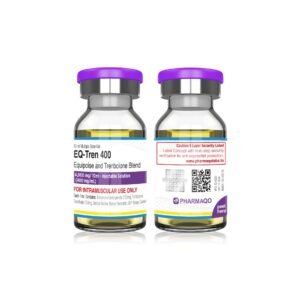
10 x Pharmaqo EQ-Tren 400mg x 10ml
Original price was: $700.00.$629.99Current price is: $629.99. Add to cart -
Sale!
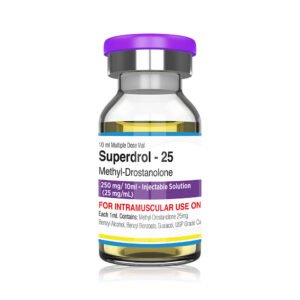
10 x Pharmaqo Injectable Superdrol 25mg x 10ml
Original price was: $700.00.$629.99Current price is: $629.99. Add to cart -
Sale!

10 x Pharmaqo Tamoxifen 20mg x 50
Original price was: $500.00.$449.99Current price is: $449.99. Add to cart -
Sale!
10 x Pharmaqo E-T-T 500mg x 10ml
Original price was: $700.00.$629.99Current price is: $629.99. Add to cart