
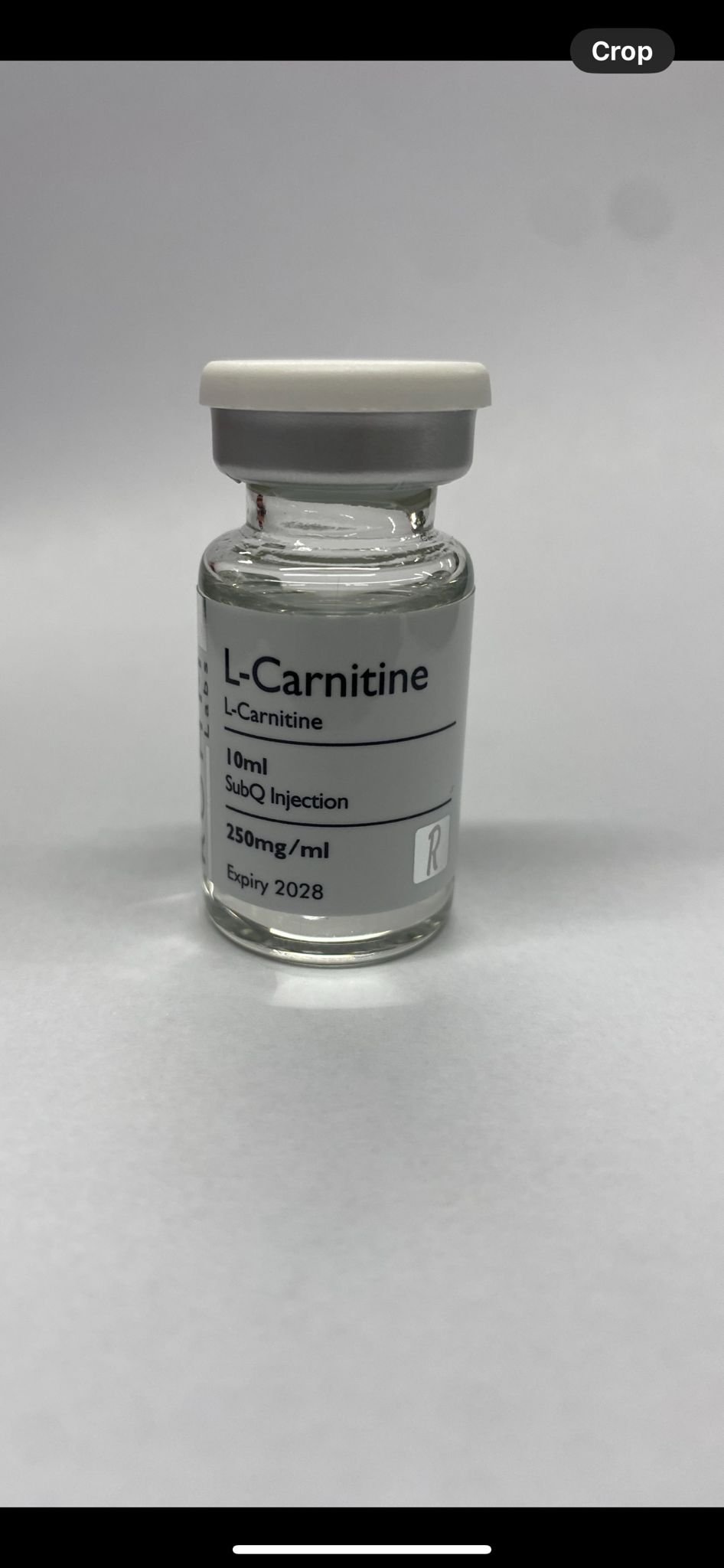
10 x ROHM L-Carnitine Injection 250mg x 10ml
Original price was: $450.00.$404.99Current price is: $404.99.
Description
10 x ROHM L-Carnitine Injection 250mg x 10ml
10 x ROHM L-Carnitine Injection 250mg x 10ml is a levocarnitine injection product intended for use under appropriate medical supervision. Levocarnitine, also known as L-carnitine, is a naturally occurring compound involved in energy metabolism, particularly the transport of long-chain fatty acids into mitochondria where they can be used for energy production. U.S. prescription labeling for injectable levocarnitine identifies its established uses in treating certain carnitine deficiencies associated with inherited metabolic disorders and in patients with end-stage renal disease receiving dialysis.
Because the exact ROHM formulation and labeling should be verified against the product packaging, the strength and route should always be confirmed before administration. Injectable levocarnitine is not a routine wellness injection and should not be self-administered without appropriate clinical direction.
Classification
10 x ROHM L-Carnitine Injection 250mg x 10ml falls under the category of levocarnitine replacement therapy. Levocarnitine is a carrier molecule that participates in the transport of long-chain fatty acids across the inner mitochondrial membrane. This physiological role makes carnitine important to normal fatty-acid metabolism and energy production.
Injectable levocarnitine is classified as a prescription medication in U.S. labeling. Approved injectable products are administered intravenously, and the administration route should not be changed without specific instructions from a qualified healthcare professional.
What is 10 x ROHM L-Carnitine Injection 250mg x 10ml?
10 x ROHM L-Carnitine Injection 250mg x 10ml is presented as a multi-unit injectable levocarnitine product. L-carnitine is naturally present in the body and has an important role in transporting fatty acids into mitochondria. When clinically significant carnitine deficiency occurs, replacement therapy may be prescribed to restore adequate carnitine availability.
U.S. injectable levocarnitine products are sterile solutions intended for intravenous administration. Current DailyMed labeling includes products supplied in single-dose vials and states that levocarnitine injection is for intravenous use only.
Dosage
The appropriate levocarnitine dosage depends on the underlying condition, body weight, laboratory findings, kidney function, dialysis status, and clinical response. It should therefore be prescribed and administered by a healthcare professional rather than calculated for self-treatment.
For U.S.-labeled injectable levocarnitine, dosing examples include:
- Patients with metabolic disorders may receive weight-based dosing under specialist supervision.
- Patients with end-stage renal disease undergoing hemodialysis may receive 10–20 mg/kg after dialysis as a slow intravenous administration.
- Dose adjustments may be based on pre-dialysis plasma levocarnitine concentrations.
- Plasma carnitine concentrations, blood chemistry, vital signs, and clinical condition may be monitored during treatment.
The 250 mg x 10 mL designation should be verified carefully against the actual ROHM vial label before use because U.S. levocarnitine injection products may have different concentrations and vial sizes.
How Does 10 x ROHM L-Carnitine Injection 250mg x 10ml Work?
Levocarnitine functions as a carrier molecule involved in transporting long-chain fatty acids into the mitochondria. Once inside the mitochondria, these fatty acids can undergo oxidation and contribute to cellular energy production. Adequate carnitine availability is therefore important for normal fatty-acid utilization.
When a patient has a clinically significant carnitine deficiency, replacement can help restore the availability of carnitine required for these metabolic processes. The clinical purpose of injectable therapy is therefore correction or prevention of deficiency in appropriate patient populations rather than providing an immediate stimulant effect.
Benefits
When prescribed for an appropriate medical indication, levocarnitine replacement may provide clinically relevant benefits associated with correcting carnitine deficiency.
Key potential benefits include:
- Supports normal long-chain fatty-acid transport.
- Contributes to normal mitochondrial energy metabolism.
- Helps restore carnitine availability when deficiency is clinically established.
- Can be used in certain inherited metabolic disorders associated with secondary carnitine deficiency.
- Can help prevent or treat carnitine deficiency in selected patients with end-stage renal disease receiving dialysis.
These benefits should not be interpreted as evidence that injectable L-carnitine is appropriate for general weight loss, athletic performance, or routine energy enhancement.
When should you take 10 x ROHM L-Carnitine Injection 250mg x 10ml?
The timing of injectable levocarnitine depends on the medical indication and treatment protocol. For patients receiving hemodialysis, U.S. labeling describes administration after each dialysis session. Other metabolic conditions may require different schedules and weight-based dosing.
Because this is an injectable prescription product, the patient should follow the schedule established by the prescribing clinician. Do not attempt to substitute an oral dose, alter the injection frequency, or change the administration route without medical direction.
When Should You Not Take 10 x ROHM L-Carnitine Injection 250mg x 10ml?
The current U.S. DailyMed labeling for levocarnitine injection lists no known formal contraindications, but this does not mean the product is appropriate for everyone.
Medical assessment is particularly important for individuals with:
- Previous hypersensitivity reactions to levocarnitine.
- Kidney disease or dialysis treatment.
- A history of seizures.
- Other prescription medications requiring monitoring.
- Unexplained metabolic abnormalities.
- A need for treatment that has not been confirmed by appropriate clinical evaluation.
What is the Mechanism of 10 x ROHM L-Carnitine Injection 250mg x 10ml?
The mechanism of levocarnitine is based on its physiological role in mitochondrial fatty-acid transport. Long-chain fatty acids require the carnitine transport system to enter the mitochondrial matrix for oxidation. Levocarnitine participates in this transport process, supporting the body’s ability to use fatty acids as an energy substrate.
When carnitine levels are inadequate, fatty-acid metabolism can be impaired. Replacement therapy provides levocarnitine to support the metabolic pathway when a clinically significant deficiency is present.
Uses of 10 x ROHM L-Carnitine Injection 250mg x 10ml
In the United States, injectable levocarnitine is indicated for specific medical situations rather than general supplementation. FDA-label information identifies two principal uses:
- Acute and chronic treatment of patients with an inherited metabolic disorder resulting in secondary carnitine deficiency.
- Prevention and treatment of carnitine deficiency in patients with end-stage renal disease who are undergoing dialysis.
Use for other purposes should only occur when specifically determined to be medically appropriate by a qualified healthcare professional.
Warnings and Precautions for 10 x ROHM L-Carnitine Injection 250mg x 10ml
Serious hypersensitivity reactions have been reported with levocarnitine administration, including anaphylaxis, laryngeal edema, and bronchospasm. Some reactions have occurred within minutes of intravenous administration. If a severe reaction occurs, treatment should be discontinued and appropriate emergency medical care initiated.
Seizures have also been reported in patients receiving oral or intravenous levocarnitine. Individuals with a history of seizure activity should discuss the risks with their healthcare provider before treatment.
Side Effects of 10 x ROHM L-Carnitine Injection 250mg x 10ml
Potential adverse reactions can vary according to the patient’s condition and dose. Reported reactions include gastrointestinal effects and, more rarely, serious hypersensitivity reactions.
Possible effects include:
- Nausea or gastrointestinal discomfort.
- Diarrhea, particularly with larger doses.
- Seizures or increased seizure frequency in susceptible patients.
- Allergic or hypersensitivity reactions.
- Anaphylaxis, bronchospasm, or laryngeal edema in rare serious cases.
Immediate medical attention is warranted for difficulty breathing, swelling of the throat or face, severe dizziness, loss of consciousness, or other symptoms suggestive of a serious allergic reaction.
Storage for 10 x ROHM L-Carnitine Injection 250mg x 10ml
Storage requirements should be checked against the specific ROHM product label. U.S. levocarnitine injection labeling commonly specifies controlled room-temperature storage around 20°C to 25°C (68°F to 77°F) and protection from freezing and excessive heat. Some labeled products also instruct users to protect vials from light and retain them in the carton until use.
Injectable levocarnitine products are supplied in single-dose containers in U.S. labeling, and unused contents should be discarded because the formulation does not contain a preservative.
Where to buy 10 x ROHM L-Carnitine Injection 250mg x 10ml
To get 10 x ROHM L-Carnitine Injection 250mg x 10ml online, go to USA Elite Steroid, today to get the best deal on this medicine .
Frequently Asked Questions
1. What is 10 x ROHM L-Carnitine Injection 250mg x 10ml used for?
Levocarnitine injection is used for specific forms of carnitine deficiency, including deficiency associated with certain inherited metabolic disorders and end-stage renal disease in patients receiving dialysis.
2. Is L-carnitine injection the same as an oral L-carnitine supplement?
Both contain levocarnitine or related carnitine compounds, but injectable products have different administration requirements and are prescription medicines for specific clinical indications. Injectable levocarnitine should not be substituted for an oral supplement without professional guidance.
3. How is injectable levocarnitine administered?
U.S.-labeled levocarnitine injection is administered intravenously. The dose and administration schedule depend on the patient’s medical condition, weight, laboratory results, and treatment protocol.
4. Can L-carnitine injection cause side effects?
Yes. Reported adverse effects include gastrointestinal symptoms and seizures, while serious hypersensitivity reactions such as anaphylaxis, bronchospasm, and laryngeal edema have also been reported.
5. How should 10 x ROHM L-Carnitine Injection 250mg x 10ml be stored?
Follow the specific ROHM product label. U.S. levocarnitine injection labeling generally calls for controlled room-temperature storage and protection from freezing and excessive heat. Unused contents of an opened single-dose vial should be discarded.
Related products
-
Sale!
10 x Pharmaqo Trenbolone-Aq 50mg x 10ml
Original price was: $600.00.$539.99Current price is: $539.99. Add to cart -
Sale!
10 x Pharmaqo Injectable Superdrol 25mg x 10ml
Original price was: $700.00.$629.99Current price is: $629.99. Add to cart -
Sale!
10 x Pharmaqo Female Anavar 2.5mg x 100
Original price was: $400.00.$359.99Current price is: $359.99. Add to cart -
Sale!
10 x Pharmaqo DHB 100mg x 10ml
Original price was: $600.00.$539.99Current price is: $539.99. Add to cart