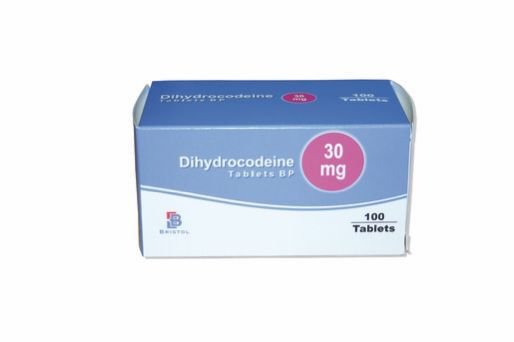
Pharmaceutical Dihydrocodeine 30mg x 100
$99.99
Description
Classification
Pharmaceutical Dihydrocodeine 30mg x 100 refers to an oral product marketed as containing dihydrocodeine, an opioid analgesic related to codeine. In the United States, dihydrocodeine is listed by the DEA as a Schedule II controlled substance, reflecting its potential for abuse, dependence, and serious harm when misused.
The 30mg x 100 specification indicates a presentation containing 100 units, with each unit labeled at 30mg. Because dihydrocodeine products can have different formulations and regulatory statuses, the exact manufacturer, ingredients, and FDA authorization should be verified before making product-specific claims. FDA has previously taken action against unapproved prescription products containing dihydrocodeine.
- Product: Pharmaceutical Dihydrocodeine
- Active ingredient: Dihydrocodeine
- Listed strength: 30mg per unit
- Quantity: 100 units
- Category: Opioid analgesic
- Presentation: 100-unit oral product
- U.S. consideration: Schedule II controlled substance
What Is Pharmaceutical Dihydrocodeine 30mg x 100?
Pharmaceutical Dihydrocodeine 30mg x 100 is marketed as an oral dihydrocodeine presentation. Dihydrocodeine is a chemical derivative of codeine and an opioid pain reliever that produces opioid-like analgesic effects.
The 30mg x 100 description identifies the labeled strength and package quantity. It should not be interpreted as an individualized prescription dose or as authorization for self-directed use. In the U.S., the legal status of the exact product should be confirmed through appropriate regulatory and pharmacy channels.
Dosage
The 30mg designation represents the stated strength per unit rather than a universal patient dose. Opioid dosing must be individualized according to the specific formulation, medical indication, previous opioid exposure, age, health conditions, and other medicines being taken.
- Follow the prescribing professional’s instructions exactly.
- Do not increase the amount or frequency independently.
- Do not combine with alcohol or other sedating substances without medical guidance.
- Do not share prescription opioids.
- Keep the medication secured against unauthorized access.
How Does Pharmaceutical Dihydrocodeine Work?
Dihydrocodeine is an opioid analgesic. It acts primarily through opioid receptors in the central nervous system, reducing the perception and emotional response to pain.
Like other opioids, it can also affect respiratory drive, alertness, gastrointestinal activity, and other neurological functions. These effects explain both its potential therapeutic action and its risks of sedation, respiratory depression, tolerance, dependence, and misuse.
Benefits
When prescribed appropriately, opioid analgesics can provide relief from pain that requires opioid-level treatment. Dihydrocodeine’s pharmacological action is associated primarily with analgesia and central nervous-system effects.
Potential therapeutic characteristics include:
- Relief of certain types of moderate-to-severe pain when medically appropriate.
- Reduction in pain perception.
- Central opioid-receptor activity.
- An oral option for appropriately selected patients.
Because opioids carry significant risks, benefits should always be evaluated against safer available alternatives and the patient’s individual circumstances.
When Should You Take Pharmaceutical Dihydrocodeine 30mg x 100?
The appropriate timing depends on the specific prescription and formulation. Patients should use dihydrocodeine only as directed by their healthcare professional.
Because the product is a Schedule II opioid in the United States, the 30mg strength should not be used to construct an independent dosing schedule or pain-management protocol.
When Should You Not Take Pharmaceutical Dihydrocodeine 30mg x 100?
Dihydrocodeine requires particular caution because opioid medicines can cause life-threatening respiratory depression, especially when combined with other central-nervous-system depressants.
Medical advice is particularly important for people with:
- Significant respiratory disease.
- Sleep apnea or breathing problems.
- Severe liver or kidney impairment.
- A history of substance-use disorder.
- Head injury or increased intracranial pressure.
- Concurrent sedative or opioid medications.
- Pregnancy or breastfeeding.
What Is the Mechanism of Pharmaceutical Dihydrocodeine?
Dihydrocodeine produces analgesic effects through opioid-receptor activity within the central nervous system. Activation of opioid pathways decreases neuronal signaling involved in pain transmission and alters the perception of painful stimuli.
The same central effects can also produce sedation and respiratory depression. This is why opioid medicines require careful dosing, monitoring, and appropriate medical supervision.
Uses of Pharmaceutical Dihydrocodeine 30mg x 100
Dihydrocodeine is an opioid analgesic associated with treatment of pain in certain countries and formulations. However, U.S. availability and approved indications vary by formulation. FDA has previously ordered removal of unapproved prescription products containing dihydrocodeine from interstate commerce.
For a U.S.-focused website, the specific product should not be marketed as FDA-approved unless its individual authorization has been verified.
It should not be promoted as an approved treatment for:
- Recreational use.
- Euphoria.
- Anxiety or stress.
- Sleep problems.
- General wellness.
- Athletic performance.
Warnings and Precautions for Pharmaceutical Dihydrocodeine 30mg x 100
The major safety concern with dihydrocodeine is opioid-related respiratory depression and overdose. Combining opioids with alcohol, benzodiazepines, or other central-nervous-system depressants can substantially increase the risk of profound sedation, respiratory depression, coma, and death.
Important precautions include:
- Use only under appropriate medical supervision.
- Never combine with alcohol without professional guidance.
- Review all sedating medications with a healthcare professional.
- Keep the product away from children and other unauthorized users.
- Do not drive or operate machinery until its effects are known.
- Seek emergency medical assistance for suspected overdose.
- Follow applicable controlled-substance requirements.
Dihydrocodeine’s Schedule II status reflects its recognized potential for abuse and dependence.
Side Effects of Pharmaceutical Dihydrocodeine 30mg x 100
Potential opioid-related side effects include drowsiness, dizziness, nausea, vomiting, constipation, headache, and impaired alertness. More serious effects can include severe sedation, dangerously slow breathing, low blood pressure, dependence, and overdose.
Long-term or repeated opioid exposure can result in tolerance and physical dependence. Stopping an opioid suddenly after prolonged use may cause withdrawal symptoms, so discontinuation should be medically managed when appropriate.
Storage for Pharmaceutical Dihydrocodeine 30mg x 100
Store dihydrocodeine according to the manufacturer’s verified instructions and keep it in its original packaging. Because it is a controlled opioid, secure storage is especially important.
Maintain:
- Original packaging.
- Lot or batch information.
- Expiration date.
- Manufacturer information.
- Prescription documentation.
- Product labeling.
Do not use products with damaged packaging, missing information, or questionable authenticity.
Where to Buy Pharmaceutical Dihydrocodeine 30mg x 100?
To get Pharmaceutical Dihydrocodeine 30mg x 100 online, go to USA Elite Steroids today to get the best deal on this medicine
Frequently Asked Questions
1. What is Pharmaceutical Dihydrocodeine 30mg x 100?
It is a 100-unit presentation marketed as containing 30mg of dihydrocodeine per unit. Dihydrocodeine is an opioid analgesic and is classified as a Schedule II controlled substance in the United States.
2. Is dihydrocodeine an opioid?
Yes. Dihydrocodeine is an opioid pain reliever and a chemical derivative of codeine.
3. Is 30mg the recommended dose?
No. 30mg identifies the stated strength per unit, not a universal patient dose. Appropriate dosing depends on the specific formulation and individual medical circumstances.
4. Can dihydrocodeine be combined with alcohol?
Combining opioids with alcohol can significantly increase sedation and respiratory-depression risks. Patients should avoid such combinations unless specifically instructed by a healthcare professional.
5. Is Pharmaceutical Dihydrocodeine 30mg x 100 FDA-approved?
Dihydrocodeine is a regulated pharmaceutical ingredient, but FDA has previously taken action against unapproved prescription dihydrocodeine products. The approval status of this specific 30mg x 100 product should therefore be independently verified.