
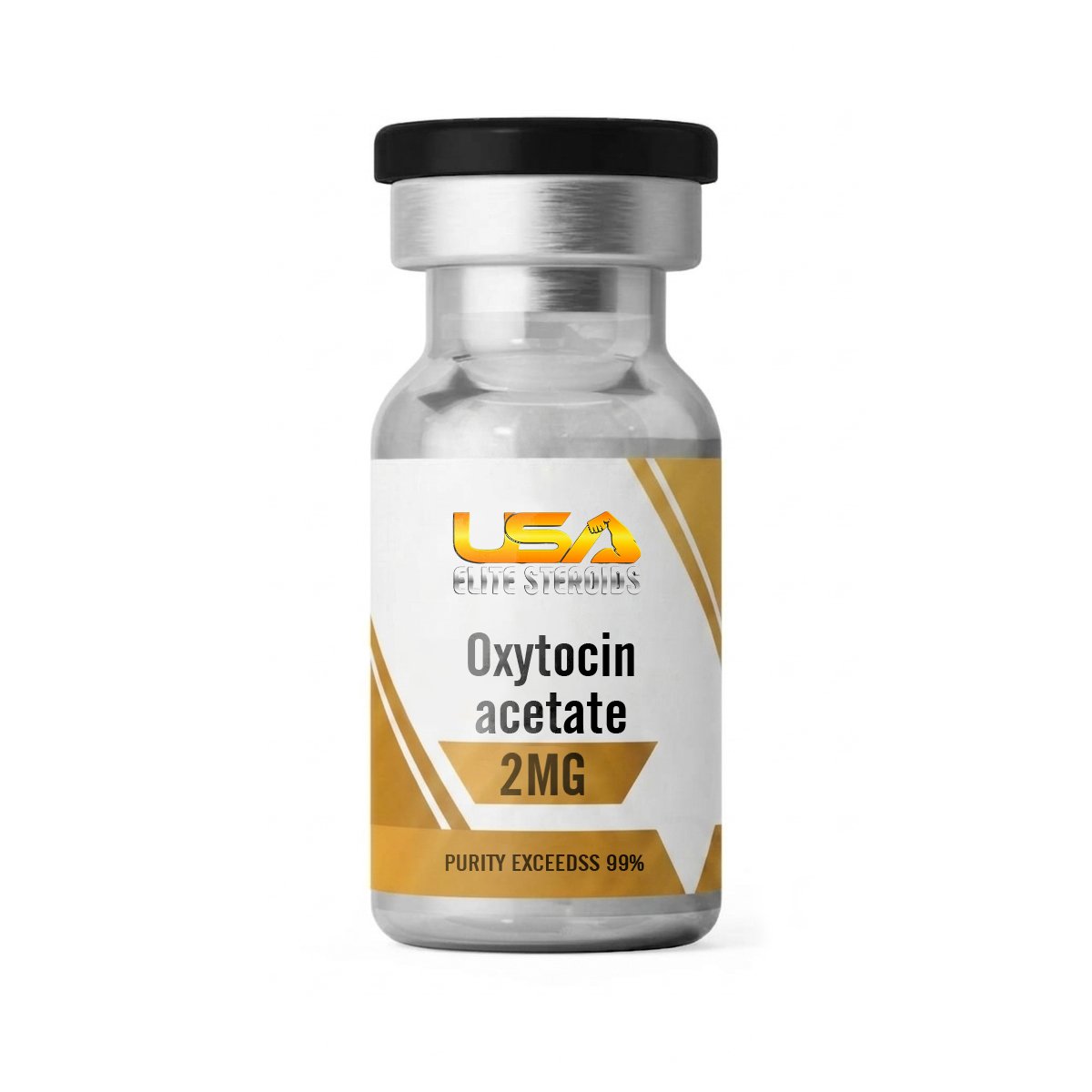
99% purity Oxytocin acetate 2mg
$14.99
Description
Classification
Oxytocin is a naturally occurring peptide hormone and neuropeptide produced in the hypothalamus and released primarily by the posterior pituitary gland. Synthetic oxytocin is classified as an oxytocic agent because it stimulates contractions of uterine smooth muscle. It also plays an important physiological role in the milk-ejection reflex.
In the United States, synthetic oxytocin is available as an FDA-approved prescription medication for specific obstetric indications. It is used in controlled medical settings for medically indicated induction or stimulation of labor and for certain postpartum situations involving inadequate uterine contraction.
What Is 99% Purity Oxytocin Acetate 2mg?
“99% Purity Oxytocin Acetate 2mg” generally describes a material labeled as containing 2mg of oxytocin acetate with a stated purity of 99%. A purity percentage is an analytical specification and does not by itself establish that the material is sterile, accurately formulated, therapeutically equivalent to an approved product, or appropriate for human administration.
It is also important to distinguish a 2mg oxytocin acetate material from FDA-approved oxytocin injection. Approved U.S. products are standardized according to USP oxytocin activity units, with commonly marketed products containing 10 USP units per mL.
Dosage
There is no FDA-approved human dosage expressed simply as a 2mg oxytocin acetate product. FDA-approved oxytocin injection is administered according to its oxytocic activity in USP units, with the appropriate regimen determined by the clinical indication and healthcare professional.
For obstetric applications, oxytocin may be administered by intravenous infusion or, for certain indications, intramuscularly. Administration during labor requires appropriate medical monitoring because excessive uterine stimulation can create serious maternal and fetal risks.
Important considerations include:
- Do not interpret 2mg as an FDA-approved oxytocin dosage.
- Oxytocin dosing is indication-specific and should be determined by qualified medical professionals.
- Intravenous oxytocin during labor requires appropriate monitoring.
- A “99% purity” claim does not independently establish sterility, potency, or pharmaceutical quality.
How Does 99% Purity Oxytocin Acetate 2mg Work?
Oxytocin works primarily by binding to oxytocin receptors on uterine smooth muscle. Activation of these receptors promotes uterine contractions, with the uterus becoming increasingly responsive to oxytocin as pregnancy progresses.
Oxytocin also acts on specialized cells surrounding the mammary glands, contributing to contraction of these cells and the physiological milk-ejection reflex. Its pharmacological effects are therefore closely associated with reproductive and postpartum physiology.
Benefits
The established medical benefits of synthetic oxytocin relate primarily to its ability to stimulate controlled uterine contractions when clinically indicated. FDA-approved oxytocin injection is used for medically indicated induction or stimulation of labor and for certain postpartum circumstances involving inadequate uterine contraction.
Medical applications include:
- Medically indicated induction of labor
- Stimulation or augmentation of labor when clinically appropriate
- Management of postpartum uterine atony in appropriate circumstances
- Supporting uterine contraction following certain obstetric procedures
These benefits apply to approved synthetic oxytocin products used under professional medical supervision and should not automatically be attributed to an independently marketed 2mg oxytocin acetate product.
When Should You Take 99% Purity Oxytocin Acetate 2mg?
Oxytocin is not intended to be taken according to a general consumer schedule. In approved obstetric use, the timing, route, concentration, and administration rate are determined by the patient’s medical condition and the healthcare team.
When oxytocin is used to induce or stimulate labor, the FDA labeling specifies controlled intravenous administration with appropriate monitoring of uterine activity and fetal status.
A 2mg product should therefore not be treated as a self-administered alternative to an FDA-approved oxytocin formulation.
When Should You Not Take 99% Purity Oxytocin Acetate 2mg?
Oxytocin should not be used without an appropriate medical indication and professional supervision. FDA labeling identifies contraindications involving situations where vaginal delivery is contraindicated, certain fetal emergencies, excessive uterine activity, and hypersensitivity to oxytocin.
Because excessive uterine stimulation can cause significant complications, oxytocin administration requires careful patient selection and appropriate monitoring.
What Is the Mechanism of 99% Purity Oxytocin Acetate 2mg?
Oxytocin binds to receptors located on uterine smooth muscle and stimulates intracellular signaling that produces uterine contraction. The intensity and pattern of contraction depend on factors including dose, route of administration, pregnancy status, and uterine sensitivity.
Oxytocin additionally stimulates contraction of myoepithelial cells surrounding the mammary glands, contributing to milk ejection. Because the hormone produces significant physiological effects, clinical administration requires an appropriate indication and professional oversight.
Uses of 99% Purity Oxytocin Acetate 2mg
Synthetic oxytocin has established medical applications in obstetrics. FDA-approved oxytocin injection is used for medically indicated induction or stimulation of labor and for appropriate postpartum management when uterine contraction is inadequate.
Clinical applications include:
- Medically indicated labor induction
- Labor stimulation or augmentation
- Management of uterine atony following delivery
- Supporting uterine contraction in appropriate obstetric procedures
Oxytocin should not be marketed as a general wellness, weight-management, anti-aging, or sexual-enhancement product.
Warnings and Precautions for 99% Purity Oxytocin Acetate 2mg
Oxytocin is a potent hormonal medication that can produce substantial physiological effects. FDA labeling warns that excessive uterine activity can result in hypertonic contractions and other serious complications affecting both mother and fetus. Patients receiving oxytocin during labor require appropriate observation and monitoring.
A stated purity of 99% does not substitute for pharmaceutical manufacturing controls, validated potency, sterility testing, appropriate formulation, or regulatory approval. A bulk or research material should not automatically be considered equivalent to an FDA-approved sterile oxytocin injection.
Side Effects of 99% Purity Oxytocin Acetate 2mg
Potential adverse effects of oxytocin are closely related to its pharmacological activity and inappropriate or excessive administration. Excessive uterine contractions can compromise fetal well-being and may produce serious maternal complications.
Other clinically important risks can include fluid-related complications and cardiovascular effects, particularly with prolonged or excessive administration. These risks are why approved oxytocin products are administered according to professional prescribing information and appropriate monitoring procedures.
Storage for 99% Purity Oxytocin Acetate 2mg
Storage requirements depend on the specific formulation, packaging, and whether the material is a finished sterile pharmaceutical product or a bulk peptide ingredient.
For example, an FDA-listed oxytocin injection product is stored at 20°C to 25°C (68°F to 77°F) under controlled room-temperature conditions and should not be frozen.
A bulk 2mg oxytocin acetate material may have different validated storage requirements. The storage instructions supplied with the exact product should therefore be followed rather than applying instructions from another oxytocin formulation.
Where to Buy 99% Purity Oxytocin Acetate 2mg?
To get 99% Purity Oxytocin Acetate 2mg online, go to USA Elite Steroids today to get the best deal on this medicine
Frequently Asked Questions
1. What Is Oxytocin Acetate?
Oxytocin acetate refers to a form of the peptide hormone oxytocin. Oxytocin naturally participates in uterine contraction and milk ejection, while synthetic oxytocin is available as a prescription medicine for specific obstetric uses.
2. Is Oxytocin FDA Approved?
Yes. Synthetic oxytocin injection is an FDA-approved prescription medicine for specific obstetric indications, including medically indicated induction or stimulation of labor and appropriate postpartum use.
3. Is 2mg an FDA-approved Oxytocin Dose?
No. FDA-approved oxytocin injection is standardized according to USP oxytocin units, with commonly marketed products containing 10 USP units per mL. A product labeled “2mg” should not automatically be considered equivalent to an approved oxytocin dosage.
4. What Is Oxytocin Used For?
Prescription oxytocin is primarily used in obstetrics for medically indicated induction or stimulation of labor and for appropriate postpartum management involving inadequate uterine contraction.
5. Can Oxytocin Acetate Be Self-Administered?
Oxytocin should not be self-administered for labor induction, labor augmentation, or postpartum treatment. Its use requires appropriate medical assessment and, particularly during labor, close monitoring because excessive uterine stimulation can create serious risks for both the mother and fetus.
Reviews
There are no reviews yet.