
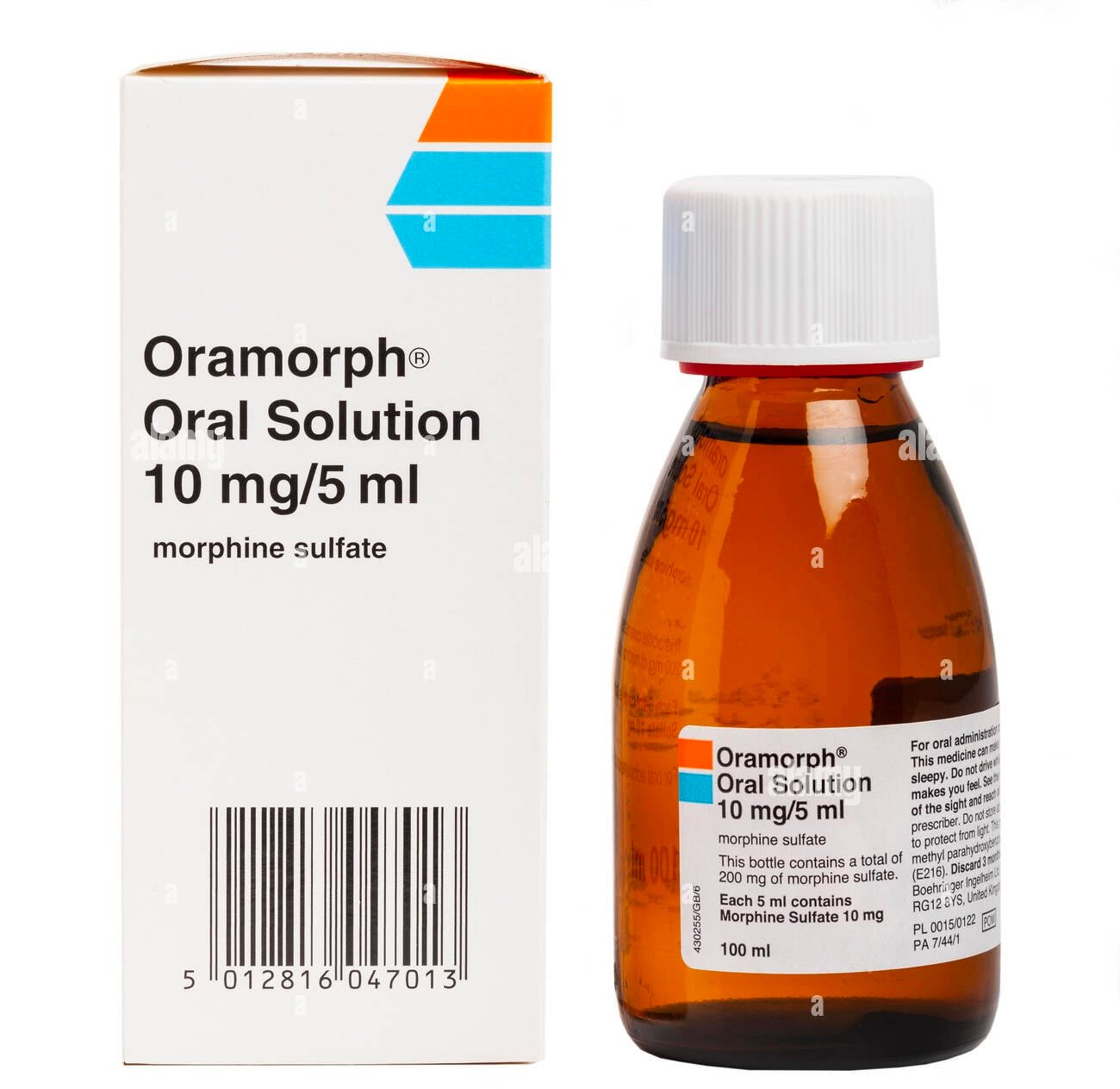
Pharmaceutical Oral Morphine 10mg x 5ml
$119.99
Description
Classification
Pharmaceutical Oral Morphine 10mg x 5ml refers to an oral liquid formulation labelled as containing morphine at a concentration of 10 mg per 5 mL. Morphine is a prescription opioid analgesic used to manage pain that is severe enough to require an opioid when alternative treatment options are inadequate.
In the United States, morphine is a Schedule II controlled substance because it can cause misuse, abuse, addiction, physical dependence, respiratory depression, and potentially fatal overdose. Oral morphine should therefore be used only under the direction of a qualified healthcare professional.
What is Pharmaceutical Oral Morphine 10mg x 5ml?
Oral morphine is a liquid opioid medication that acts on opioid receptors within the central nervous system to reduce the perception and emotional response to pain. The stated concentration of 10 mg per 5 mL means that the labelled amount is 10 mg of morphine in each 5 mL of the specific formulation.
The concentration should not be confused with a universally appropriate dose. Different patients require different amounts depending on their medical condition, previous opioid exposure, age, kidney and liver function, other medicines, and individual response.
Dosage
There is no single oral morphine dose that is appropriate for every patient. Dosage must be individually prescribed according to the formulation, severity of pain, previous opioid use, medical history, and response to treatment.
Patients should carefully follow the prescription label and use the measuring device supplied or recommended by the pharmacy.
Important precautions include:
- Take morphine only as prescribed.
- Measure the liquid accurately.
- Never take additional doses because pain remains uncontrolled.
- Never share morphine with another person.
- Do not change the dose without medical guidance.
- Do not combine morphine with alcohol or other sedating substances unless specifically directed by a healthcare professional.
How Does Pharmaceutical Oral Morphine 10mg x 5ml Work?
Morphine produces analgesia primarily by activating mu-opioid receptors in the brain and spinal cord. These receptors influence the transmission and perception of pain signals, reducing the intensity and emotional response associated with pain.
Morphine can also produce sedation and other central nervous system effects. These effects explain both its therapeutic usefulness and important risks, particularly respiratory depression when excessive amounts are taken or when morphine is combined with other central nervous system depressants.
Benefits
When appropriately prescribed, oral morphine can provide significant relief for patients experiencing severe pain that requires opioid treatment. The medication may be considered when non-opioid treatments are insufficient or inappropriate.
Potential therapeutic benefits include:
- Reduction of severe pain.
- Improved comfort during medically significant painful conditions.
- Flexible oral-liquid administration when a liquid formulation is appropriate.
- Central analgesic effects through opioid receptor activation.
Morphine does not treat the underlying cause of every painful condition. The decision to use it should be based on an individualized assessment of expected benefits versus opioid-related risks.
When Should You Take Pharmaceutical Oral Morphine 10mg x 5ml?
Oral morphine should be taken according to the schedule provided by the prescribing healthcare professional. The appropriate timing depends on the specific formulation and the patient’s pain-management plan.
Patients should use an accurate oral syringe or other appropriate measuring device rather than a household teaspoon. Taking more liquid than prescribed can result in an excessive opioid dose and potentially life-threatening respiratory depression.
Never take an extra dose without first obtaining appropriate medical advice.
When Should You Not Take Pharmaceutical Oral Morphine 10mg x 5ml?
Morphine may be inappropriate for people with certain medical conditions or medication combinations. A healthcare professional should evaluate relevant medical history before prescribing it.
Particular caution is required for people who:
- Have significant respiratory problems.
- Have severe asthma or other conditions associated with breathing impairment.
- Have gastrointestinal obstruction or paralytic ileus.
- Have severe liver or kidney impairment.
- Have a history of opioid misuse or opioid-use disorder.
- Take benzodiazepines or other sedatives.
- Consume alcohol regularly.
- Take other opioid medicines.
Morphine should never be used for recreational purposes or taken from another person’s prescription.
What is the Mechanism of Pharmaceutical Oral Morphine 10mg x 5ml?
Morphine is a full opioid agonist. It binds primarily to mu-opioid receptors within the central nervous system and alters the transmission of pain signals.
Activation of these receptors can reduce pain perception while also producing sedation, slowed gastrointestinal movement, and respiratory depression. Because the same receptor system contributes to both therapeutic and potentially dangerous effects, opioid treatment requires careful dosing and monitoring.
Uses of Pharmaceutical Oral Morphine 10mg x 5ml
Prescription oral morphine may be used for the management of severe pain when an opioid analgesic is medically appropriate.
Clinical uses can include:
- Severe acute pain.
- Severe persistent pain.
- Pain associated with serious medical conditions.
- Selected situations in which an oral liquid formulation is clinically appropriate.
The specific indication depends on the formulation and the prescribing information applicable to the product.
Warnings and Precautions for Pharmaceutical Oral Morphine 10mg x 5ml
Morphine carries a boxed warning concerning serious opioid-related risks. These include life-threatening respiratory depression, addiction, misuse, abuse, and potentially fatal overdose.
Important precautions include:
- Never combine morphine with alcohol unless specifically instructed by a healthcare professional.
- Avoid benzodiazepines and other sedatives unless the combination has been specifically prescribed and monitored.
- Tell your healthcare professional about all prescription medicines, supplements, and recreational substances you use.
- Do not drive or operate machinery until you know how morphine affects you.
- Store morphine securely and away from children.
- Never share prescription morphine.
Regular opioid use can result in tolerance and physical dependence. Patients who have been taking morphine regularly should not abruptly discontinue treatment without medical guidance.
Side Effects of Pharmaceutical Oral Morphine 10mg x 5ml
Common effects of oral morphine can include constipation, nausea, vomiting, drowsiness, dizziness, and itching. These effects vary between individuals and may be more noticeable when treatment begins or the dose changes.
Potential side effects include:
- Constipation.
- Nausea.
- Vomiting.
- Drowsiness.
- Dizziness.
- Headache.
- Sweating.
- Itching.
- Dry mouth.
- Reduced alertness.
More serious complications can include severe respiratory depression, profound sedation, low blood pressure, allergic reactions, and overdose.
Very slow or difficult breathing, inability to wake, blue or gray lips, severe confusion, or loss of consciousness requires immediate emergency medical attention.
Storage for Pharmaceutical Oral Morphine 10mg x 5ml
Store oral morphine according to the manufacturer’s official labeling and pharmacy instructions. Keep the bottle securely closed and use the appropriate measuring device.
Because morphine is a Schedule II controlled substance, secure storage is especially important. Keep it away from children, visitors, and anyone who has not been prescribed the medication.
Do not share leftover morphine. Unused opioid medication should be disposed of through an appropriate medication take-back or disposal program when available.
Where to Buy Pharmaceutical Oral Morphine 10mg x 5ml?
To get Pharmaceutical Oral Morphine 10mg online, go to USA Elite Steroids today to get the best deal on this medicine
Frequently Asked Questions
What is oral morphine 10mg/5mL used for?
Oral morphine is a prescription opioid used to manage severe pain when an opioid analgesic is medically appropriate. The specific indication depends on the formulation and patient’s clinical circumstances.
Is morphine an opioid?
Yes. Morphine is a powerful opioid analgesic that primarily produces pain relief through activation of mu-opioid receptors.
Is morphine a controlled substance?
Yes. Morphine is classified as a Schedule II controlled substance in the United States because of its potential for misuse, abuse, addiction, dependence, and overdose.
Does 10mg/5mL mean 10mg is the correct dose?
No. It describes the labelled concentration of the liquid. The appropriate dose must be individually determined by a healthcare professional.
Can oral morphine be taken with alcohol?
Alcohol can significantly increase morphine’s sedative and respiratory-depressant effects. Combining the two can result in life-threatening breathing problems and should be avoided unless specifically directed by a healthcare professional.
Reviews
There are no reviews yet.