
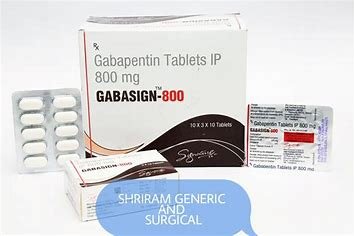
10 x Pharmaceutical Gabapentin 800mg x 10
Original price was: $150.00.$134.99Current price is: $134.99.
800mg Gabapentin x10
Description
Classification
Gabapentin is classified as an anticonvulsant and neuropathic pain medication. Although it is structurally related to GABA, it does not act as a direct GABA receptor agonist. Its precise mechanism of action is not completely established.
In the United States, FDA-approved immediate-release gabapentin products such as Neurontin are indicated for management of postherpetic neuralgia in adults and as adjunctive treatment for partial-onset seizures in adults and pediatric patients 3 years and older.
What Is 10 x Pharmaceutical Gabapentin 800mg x 10?
The product name indicates a package containing 10 gabapentin 800 mg tablets. Gabapentin is an orally administered prescription medication that is absorbed through the gastrointestinal tract and eliminated primarily through the kidneys.
The 800 mg strength is one of the available tablet strengths for immediate-release gabapentin. A particular commercial product should be verified through its packaging, manufacturer information, and pharmacy source before use.
Dosage
Gabapentin dosage is individualized according to the medical condition being treated and the patient’s kidney function. For FDA-approved immediate-release gabapentin, dosing for postherpetic neuralgia can be titrated according to response, while dosing for partial-onset seizures is divided into multiple daily administrations. Renal impairment requires dose adjustment.
Important dosing considerations include:
- Take gabapentin exactly as prescribed.
- Do not increase the dose without medical advice.
- Patients with reduced kidney function may require a lower dose.
- Do not stop gabapentin suddenly without medical guidance.
- Follow the specific instructions provided with your prescription.
How Does 10 x Pharmaceutical Gabapentin 800mg x 10 Work?
Gabapentin does not work like traditional opioid pain medications. Its pharmacological activity is associated with binding to the alpha-2-delta subunit of voltage-gated calcium channels in the nervous system.
By affecting calcium-channel signaling, gabapentin can reduce the release of certain excitatory neurotransmitters involved in abnormal neuronal activity and pain signaling. This activity contributes to its clinical effects in neuropathic pain and seizure management.
Benefits
When prescribed for an appropriate medical condition, gabapentin can provide clinically meaningful benefits for certain patients.
Potential therapeutic benefits include:
- Management of pain associated with postherpetic neuralgia.
- Adjunctive treatment for partial-onset seizures.
- Reduction of abnormal neuronal excitability.
- Reduction of certain neuropathic pain signals.
- An oral treatment option available in several strengths.
Gabapentin is not an opioid and should not be presented as a general-purpose painkiller for all types of pain.
When Should You Take 10 x Pharmaceutical Gabapentin 800mg x 10?
Gabapentin should be taken according to the schedule provided by the prescribing healthcare professional. Immediate-release gabapentin may be administered with or without food, but taking it consistently according to the prescribed schedule is important.
Antacids containing aluminum or magnesium can reduce the absorption of immediate-release gabapentin. FDA labeling recommends taking immediate-release gabapentin at least 2 hours after such antacids.
Patients should also avoid driving or operating machinery until they understand how gabapentin affects their alertness and coordination.
When Should You Not Take 10 x Pharmaceutical Gabapentin 800mg x 10?
Gabapentin is contraindicated in people with a known hypersensitivity to gabapentin or its ingredients.
Before treatment, tell your healthcare professional if you have:
- Kidney disease or reduced kidney function
- Breathing problems
- A history of severe allergic reactions
- A history of depression or suicidal thoughts
- Other conditions affecting the central nervous system
- Current use of opioids or other sedating medications
Gabapentin should not be stopped abruptly without medical guidance because rapid discontinuation can increase seizure risk and may produce withdrawal symptoms.
What Is the Mechanism of 10 x Pharmaceutical Gabapentin 800mg x 10?
Gabapentin binds to the alpha-2-delta subunit of voltage-gated calcium channels. This interaction modifies neuronal signaling and reduces the release of excitatory neurotransmitters.
The resulting reduction in abnormal neuronal excitability contributes to gabapentin’s anticonvulsant properties and its ability to reduce certain forms of neuropathic pain.
Despite its name and structural relationship to GABA, gabapentin does not function by directly activating GABA-A or GABA-B receptors.
Uses of 10 x Pharmaceutical Gabapentin 800mg x 10
In the United States, FDA-approved immediate-release gabapentin is indicated for:
- Postherpetic neuralgia in adults
- Adjunctive therapy for partial-onset seizures, with or without secondary generalization, in adults and pediatric patients 3 years and older
Gabapentin is also prescribed off-label for certain other conditions, but off-label treatment should be determined by a qualified healthcare professional based on the patient’s circumstances.
Warnings and Precautions for 10 x Pharmaceutical Gabapentin 800mg x 10
Gabapentin can cause dizziness, sleepiness, and impaired coordination. Patients should avoid driving or operating heavy machinery until they know how the medication affects them.
Important precautions include:
- Gabapentin can cause respiratory depression, particularly when combined with opioids or other central nervous system depressants.
- Monitor for unusual mood changes or suicidal thoughts.
- Do not discontinue treatment suddenly.
- Kidney function should be considered when determining the dose.
- Report facial swelling, difficulty breathing, rash, or other signs of a serious allergic reaction immediately.
- Tell your healthcare professional about all prescription medicines, supplements, and recreational substances you use.
Side Effects of 10 x Pharmaceutical Gabapentin 800mg x 10
Common adverse effects can include:
- Dizziness
- Sleepiness or drowsiness
- Fatigue
- Loss of coordination
- Nystagmus
- Peripheral swelling
- Headache
- Nausea
FDA labeling identifies dizziness, somnolence, and peripheral edema among common adverse reactions in adults treated for postherpetic neuralgia, while dizziness, somnolence, ataxia, fatigue, and nystagmus are among commonly reported reactions in epilepsy treatment.
Serious reactions can include severe allergic reactions, respiratory depression, and suicidal thoughts or behavior. Seek urgent medical attention if serious symptoms occur.
Storage for 10 x Pharmaceutical Gabapentin 800mg x 10
Keep gabapentin tablets in their original, properly labeled container and store them according to the manufacturer’s instructions. Keep the medication away from excessive heat and moisture.
Store gabapentin out of the reach of children and pets. Do not use tablets that appear damaged, contaminated, or significantly different from their expected appearance.
Where to Buy 10 x Pharmaceutical Gabapentin 800mg x 10
To get Buy 10 x Pharmaceutical Gabapentin 800mg x 10 online, go to USA Elite Steroid, today to get the best deal on this medicine .
Frequently Asked Questions
1. What is 10 x Pharmaceutical Gabapentin 800mg x 10?
It refers to a package containing 10 tablets labeled as containing 800 mg of gabapentin per tablet. Gabapentin is a prescription medication used for certain neuropathic pain conditions and as adjunctive treatment for partial-onset seizures.
2. What is gabapentin 800mg used for?
FDA-approved immediate-release gabapentin is used for postherpetic neuralgia in adults and as adjunctive treatment for partial-onset seizures in patients 3 years and older, depending on the formulation and prescribing information.
3. Can gabapentin 800mg cause drowsiness?
Yes. Drowsiness or somnolence and dizziness are among the commonly reported adverse reactions associated with gabapentin. Patients should use caution with driving or operating machinery until they know their response.
4. Can gabapentin be stopped suddenly?
Gabapentin should not generally be discontinued abruptly without medical guidance. Rapid discontinuation can increase seizure risk and may be associated with withdrawal symptoms or suicidal thoughts and behavior.
5. Can gabapentin interact with other medications?
Yes. Gabapentin can have clinically important interactions with central nervous system depressants, including opioids. The FDA warns that respiratory depression may occur when gabapentin is used with opioids or in people with underlying respiratory impairment.
Related products
-
Sale!
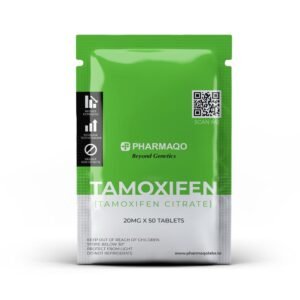
10 x Pharmaqo Tamoxifen 20mg x 50
Original price was: $500.00.$449.99Current price is: $449.99. Add to cart -
Sale!
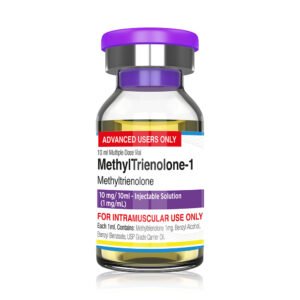
10 x Pharmaqo Methyltrienolone 1mg x 10ml
Original price was: $700.00.$629.99Current price is: $629.99. Add to cart -
Sale!
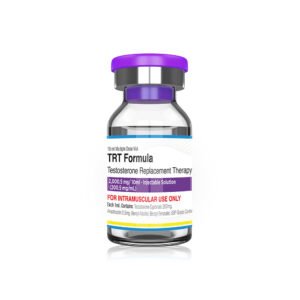
10 x Pharmaqo TRT Formula 200.5mg x 10ml
Original price was: $500.00.$449.99Current price is: $449.99. Add to cart -
Sale!
10 x Pharmaqo Female Anavar 2.5mg x 100
Original price was: $400.00.$359.99Current price is: $359.99. Add to cart